| Summary |
This article explores how law students can recognize and overcome imposter syndrome, develop self-confidence, and prepare for a successful legal career. It provides actionable strategies such as seeking mentorship, focusing on growth, and reframing negative self-talk to build lasting professional confidence.
| Questions Answered in This Article |
- What is imposter syndrome, and why is it common among law students?
Imposter syndrome is a psychological pattern where individuals doubt their abilities and fear being exposed as a “fraud,” even when they are competent and successful. In law school, it’s common due to the competitive academic environment, rigorous expectations, and constant comparison with high-achieving peers. Many students feel pressure to perform perfectly, which can trigger self-doubt.
- How can law students recognize imposter syndrome in themselves?
Law students may notice imposter syndrome through recurring thoughts such as “I don’t deserve to be here” or “I’m not as capable as others.” They might downplay their accomplishments, attribute success to luck, or feel anxious about being “found out.” Recognizing these thought patterns early helps students address them constructively.
- What strategies help law students overcome self-doubt and build confidence?
Practical strategies include acknowledging imposter feelings as normal, focusing on learning instead of perfection, and tracking personal achievements. Seeking mentorship and connecting with supportive peers also reinforces perspective and reassurance. Reframing negative self-talk and celebrating progress can gradually build authentic confidence.
- Why is mentorship important for building confidence in law school?
Mentorship provides guidance, encouragement, and perspective from someone who has navigated similar challenges. Mentors can share practical advice, validate your experiences, and offer constructive feedback. They also help you see your growth and potential more clearly, reducing self-doubt and reinforcing your professional identity.
- How can law students maintain long-term confidence beyond law school?
To maintain long-term confidence, law students should continue reflecting on their achievements, seek feedback to improve, and nurture professional relationships. Engaging in public speaking, networking, and continuous learning also helps solidify confidence. Viewing challenges as growth opportunities ensures resilience throughout one’s legal career.
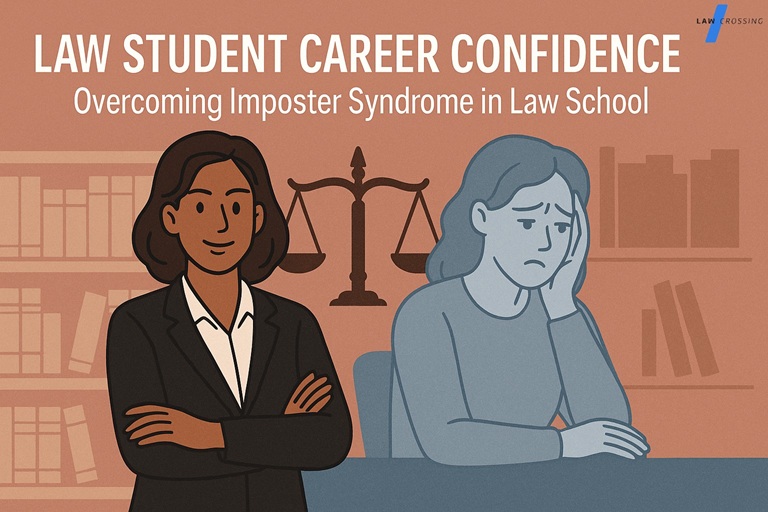
For many law students, the pursuit of excellence can be accompanied by imposter syndrome—the persistent feeling of self-doubt and fear of being exposed as a fraud, even when achievements prove otherwise. In a competitive environment like law school, imposter syndrome can hinder academic performance, professional growth, and overall well-being. Building career confidence is crucial for overcoming these doubts and thriving both in law school and beyond. To further enhance your confidence and career readiness, check out Essential Strategies for U.S. Law Students to Navigate Law School and Launch a Successful Legal Career, which offers actionable tips for law students at every stage.
See Related Articles:
Understanding Imposter Syndrome in Law School
Common Triggers in Law School
Law school presents a uniquely competitive and high-pressure environment that can intensify imposter feelings. Some common triggers include:- Academic Pressure: Constant comparison with peers and the curve-based grading system can make even strong students feel inadequate.
- Public Speaking and Socratic Method: Being called on in class or presenting arguments may heighten anxiety about being “found out.”
- Externships and Internships: Entering professional settings with seasoned attorneys can make students doubt their preparedness.
- Social Comparisons: Observing classmates who seem more confident or accomplished can feed feelings of inferiority.
Signs You May Be Experiencing Imposter Syndrome
Recognizing the symptoms is the first step toward overcoming them. Common signs include:- Perfectionism: Setting unrealistically high standards and feeling like a failure when they’re not met.
- Discounting Success: Attributing achievements to luck rather than skill or effort.
- Fear of Exposure: Worrying others will discover you’re not as capable as they think.
- Overworking or Procrastination: Trying to “prove” worth through excessive effort or delaying tasks due to fear of failure.
The Emotional Impact
Unchecked imposter syndrome can lead to emotional exhaustion, anxiety, and decreased motivation. It can also prevent students from taking advantage of opportunities like leadership roles or networking events due to fear of not being “good enough.” Over time, this mindset can undermine academic performance and overall well-being.Why Awareness Matters
Understanding imposter syndrome is crucial for maintaining mental health and academic success. When students realize these feelings are common and not reflective of actual ability, they can begin replacing self-doubt with self-compassion and realistic self-assessment. Law school is not just about mastering legal concepts — it’s also about developing the confidence and resilience necessary for a successful legal career. Recognizing imposter syndrome is the first step toward building that foundation. Balancing school and part-time work can feel overwhelming, but this article on Working During Law School: The Pros and Cons of Working Part-Time as a Law Student explores practical ways to manage both successfully.Strategies to Overcome Imposter Syndrome
Overcoming imposter syndrome in law school requires a combination of mindset shifts, self-awareness, and proactive strategies. While feelings of inadequacy may not disappear overnight, law students can gradually replace self-doubt with confidence and clarity through intentional action and self-compassion.
1.Acknowledge and Normalize It
The first and most powerful step in ov ercoming imposter syndrome is recognizing and accepting it. Many law students mistakenly believe they are the only ones feeling insecure or unqualified, but the truth is that imposter syndrome is remarkably common in law school, where competition and high expectations often amplify self-doubt.
Understand That You’re Not Alone
Imposter syndrome affects students from all backgrounds and achievement levels — even those at the top of their class.- Talk about it openly. Discussing these feelings with peers can help normalize the experience.
- Listen to others’ stories. You’ll likely find that many of your classmates share similar struggles.
- Recognize shared challenges. Knowing that others feel the same way can reduce isolation and shame.
Reframe Your Thinking
Once you acknowledge imposter syndrome, you can begin to shift your mindset.- Replace negative self-talk. When you catch yourself thinking, “I don’t belong here,” reframe it as, “I’m learning and improving every day.”
- Recognize effort, not just results. Law school success is about persistence and growth, not perfection.
- Understand that confidence grows with experience. The more you engage with your coursework and community, the more you’ll see that you are capable and deserving.
Seek Perspective from Mentors and Professors
Sometimes, an outside perspective helps validate your efforts and abilities.- Ask mentors about their early experiences. Many seasoned attorneys once felt the same way.
- Use feedback constructively. Instead of seeing critiques as proof of inadequacy, treat them as tools for growth.
- Celebrate small wins. Acknowledge achievements like mastering a complex case or participating in class — each step builds your confidence.
Acknowledging imposter syndrome doesn’t make you weak — it makes you self-aware. Recognizing these feelings as part of the learning process empowers you to move past them and focus on your personal and professional growth.
2.Focus on Growth, Not Perfection
One of the main drivers of imposter syndrome in law school is the pressure to be perfect — to ace every exam, impress every professor, and never make mistakes. However, perfectionism is both unrealistic and unhealthy. Instead of striving for flawless performance, law students should focus on progress, learning, and personal growth.
Embrace a Growth Mindset
A growth mindset helps you view challenges as opportunities rather than threats.- See mistakes as lessons. Every error you make teaches you something valuable about the law and yourself.
- Recognize improvement over time. Compare yourself to where you were a semester ago, not to others.
- Value effort as much as results. Hard work and persistence matter more than immediate success.
Set Realistic, Achievable Goals
Instead of chasing impossible standards, set goals that are specific, measurable, and flexible.- Break tasks into smaller steps. Large goals like “mastering contract law” become manageable when divided into daily study goals.
- Track your progress. Keeping a record of completed assignments, improved grades, or new skills helps you see growth clearly.
- Reward milestones. Celebrate even small accomplishments — like completing a tough brief or getting positive feedback from a professor.
Let Go of the Comparison Trap
Constantly comparing yourself to others only fuels self-doubt.- Understand that everyone’s path is unique. Some students excel in academics, while others shine in internships or advocacy work.
- Limit comparison triggers. Reduce time spent on conversations or platforms that make you feel inadequate.
- Focus on your own journey. Success in law school isn’t a race — it’s a process of steady development.
3.Seek Mentorship and Support
Law school can often feel overwhelming, but you don’t have to face its challenges alone. Seeking mentorship and building a reliable support system are essential steps in overcoming imposter syndrome and developing confidence in your legal journey. Having the right people around you can help you gain perspective, encouragement, and practical guidance.
Find Mentors Who Inspire Growth
Mentorship provides insight, reassurance, and a roadmap for success.- Connect with professors or alumni. They can share their own experiences with self-doubt and offer valuable career advice.
- Reach out to practicing attorneys. Their professional insights can help you understand that even accomplished lawyers once faced similar insecurities.
- Ask thoughtful questions. Seek feedback about your progress, goals, and how to strengthen your legal skills.
Build a Peer Support Network
Sometimes, the best encouragement comes from classmates who understand what you’re going through.- Join student organizations or study groups. Being part of a supportive community helps normalize struggles and celebrate collective progress.
- Share challenges and achievements. Talking openly with peers fosters empathy and mutual motivation.
- Surround yourself with positive influences. Choose peers who uplift you rather than those who create unnecessary competition.
Utilize Campus and Professional Resources
Law schools often offer resources designed to support students emotionally and academically.- Visit your career services office. They can connect you with alumni mentors or professional development programs.
- Seek counseling or mental health support. Professional guidance can help you manage stress and build resilience.
- Attend networking and mentorship events. These opportunities expand your circle and expose you to diverse perspectives.
Having mentors and a strong support system reminds you that law school success isn’t about doing everything alone — it’s about learning, collaborating, and growing with the help of others who believe in your potential.
4.Reframe Negative Thoughts
One of the most effective ways to combat imposter syndrome in law school is to reframe negative thoughts that undermine your confidence. Law students often fall into patterns of self-criticism, comparing themselves to others, or assuming they aren’t capable enough to succeed. By consciously shifting these thoughts, you can train your mind to focus on growth, capability, and self-belief.
Recognize Unhelpful Thinking Patterns
The first step in reframing your mindset is becoming aware of the thoughts that fuel self-doubt.- Identify common triggers. These might include receiving feedback, comparing grades, or being called on in class.
- Notice recurring self-talk. Phrases like “I’m not smart enough” or “I don’t deserve to be here” signal imposter thinking.
- Pause before reacting. Awareness gives you the power to challenge those thoughts rather than accept them as truth.
Replace Self-Criticism with Constructive Thinking
Once you recognize negative thoughts, replace them with realistic and empowering alternatives.- Shift your language. Replace “I’m failing” with “I’m learning something new.”
- Focus on effort, not outcome. Remind yourself that progress is made through persistence, not perfection.
- Acknowledge achievements. Write down positive feedback, good grades, or times you contributed meaningfully in class — evidence that you belong.
Practice Mindful Reflection
Mindfulness helps you respond to stress and self-doubt with calm awareness rather than harsh judgment.- Journal your thoughts. Writing helps organize emotions and challenge irrational beliefs.
- Use affirmations. Simple phrases like “I am capable and learning” can retrain your mindset.
- Reflect on growth. Regularly remind yourself how far you’ve come since starting law school.
By learning to reframe negative thoughts, you stop letting fear define your experience and start building the confidence necessary to thrive in your legal education and beyond.
5.Engage in Self-Care and Mindfulness
Law school can be mentally demanding, emotionally draining, and physically exhausting. When imposter syndrome strikes, it’s easy to neglect your own well-being. However, self-care and mindfulness are essential for maintaining balance, managing stress, and rebuilding confidence. Prioritizing your health doesn’t mean avoiding challenges — it means ensuring you have the energy and focus to meet them effectively.
Prioritize Physical and Mental Wellness
A healthy mind and body are key to academic and emotional resilience.- Get enough rest. Sleep enhances concentration, mood, and memory retention — all vital for studying law.
- Eat nutritious meals. Balanced nutrition supports brain function and helps maintain energy throughout long study sessions.
- Incorporate physical activity. Exercise, even for 20 minutes a day, can significantly reduce anxiety and boost motivation.
Practice Mindfulness and Stress Management
Mindfulness helps you stay present and grounded, preventing your thoughts from spiraling into self-doubt.- Try meditation or breathing exercises. A few minutes of deep breathing before class or exams can calm your mind.
- Engage in reflection. Journaling your thoughts can help you understand and manage your emotions better.
- Limit negative inputs. Reduce exposure to overly competitive conversations or social media comparisons.
Set Boundaries and Allow Yourself to Recharge
Learning when to rest is just as important as studying.- Schedule downtime. Treat relaxation and hobbies as non-negotiable parts of your week.
- Say no when needed. Overcommitting leads to burnout, which fuels imposter feelings.
- Reconnect with passions. Activities outside of law — reading, art, or time with friends — restore perspective and joy.
By integrating self-care and mindfulness into your daily routine, you create a stronger foundation for success. A calm, focused, and healthy mind allows you to navigate law school challenges with confidence and clarity.
Building Long-Term Career Confidence
Developing confidence as a law student is not just about surviving law school — it’s about laying the groundwork for a strong and fulfilling legal career. True confidence grows over time through experience, reflection, and persistence. By actively building long-term confidence, you prepare yourself to navigate professional challenges with assurance, adaptability, and self-belief. To complement confidence strategies with actionable planning advice, see The Ultimate Guide to Law Student Career Planning in 2025.
1. Embrace Lifelong Learning
Confidence in your legal career begins with accepting that learning never stops. The law evolves constantly, and so must you.- Stay curious. Treat each assignment, internship, or case as an opportunity to expand your skills.
- Pursue professional development. Attend workshops, webinars, or certification programs to stay competitive.
- Learn from mistakes. Rather than fearing errors, view them as valuable teachers that refine your expertise.
2. Gain Practical Experience
Hands-on experience builds both competence and confidence — a point reinforced in Navigating the Legal Ladder: Practical Insights and Strategies for Attorney Career Growth, which emphasizes how real-world exposure and mentorship help aspiring attorneys strategically shape long-term career success.- Engage in externships and internships. Real-world exposure helps bridge the gap between classroom theory and practice.
- Volunteer for pro bono work. Assisting real clients gives you purpose and practical insights into legal service.
- Participate in moot courts or legal clinics. These experiences enhance advocacy skills and reinforce your professional identity.
3. Cultivate a Professional Identity
Confidence grows when you begin to see yourself as part of the legal community.- Develop a personal brand. Define what kind of lawyer you aspire to be — ethical, innovative, client-focused, or justice-driven.
- Engage with mentors and role models. Observe how experienced professionals carry themselves and manage challenges.
- Join professional organizations. Networking with attorneys and peers helps you build credibility and visibility in the field.
4. Reflect on Your Progress and Strengths
Regular self-reflection helps maintain a realistic and empowering sense of progress.- Track achievements. Keep a portfolio of successful projects, papers, or cases to remind yourself of your growth.
- Identify patterns of success. Recognizing what you do well reinforces self-trust and direction.
- Celebrate milestones. Whether it’s completing a semester or winning a mock trial, acknowledging success reinforces confidence.
5. Prepare for the Transition to Practice
Confidence continues to evolve as you move from student to professional. According to The Importance of Self Confidence in a Law Firm Job Interview, self-assurance is a defining factor in how new attorneys present themselves, influencing both hiring outcomes and early career performance.- Build resilience. Expect challenges but trust your training and problem-solving abilities.
- Stay adaptable. The legal field changes rapidly, and flexibility is key to thriving.
- Keep your purpose in focus. Remember why you chose law — a clear sense of purpose sustains confidence even through uncertainty.
By consistently investing in your growth, skills, and mindset, you’ll enter the legal profession not only prepared but empowered — confident in your ability to contribute meaningfully and thrive in your chosen path. As noted in The Most Important Characteristic Attorneys Need to Succeed and Why It Is Almost Impossible for Them to Keep It, maintaining confidence throughout one’s legal career is essential for enduring the inevitable challenges and pressures of the profession.
See Related Articles:
Conclusion
Overcoming imposter syndrome in law school takes time, self-awareness, and persistence. By acknowledging self-doubt, seeking mentorship, and celebrating personal achievements, law students can build lasting confidence and resilience. Remember — you earned your place, and your growth, not perfection, defines your success in the legal field.

