| Ready to take the next step in your legal career? Dive into our in-depth report: Attorney Lateral Movement: A Comprehensive Guide to Practice Area and Market Transitions. |

Lateral movement—shifting from one firm to another, often with changes in geography or practice focus—is a pivotal career decision. While many attorneys contemplate transitions for better pay, work-life balance, or growth opportunities, success depends on strategy, timing, and positioning. This guide distills best practices, pitfalls, and actionable advice for lawyers considering lateral moves.
Why Attorneys Make Lateral Moves
Attorneys pursue lateral transitions for several reasons. Common motivations include:
- Compensation upgrades or equity stakes
- Better alignment of culture, values, and management style
- Access to a more prestigious brand or platform
- Shifting to a practice specialty and gaining new experience
- Geographic relocation for family or lifestyle reasons
- Greater autonomy, client control, or leadership opportunities
Understanding your primary motivation is the first step in shaping your strategy.
Two Axes of Change: Practice vs. Market Movement
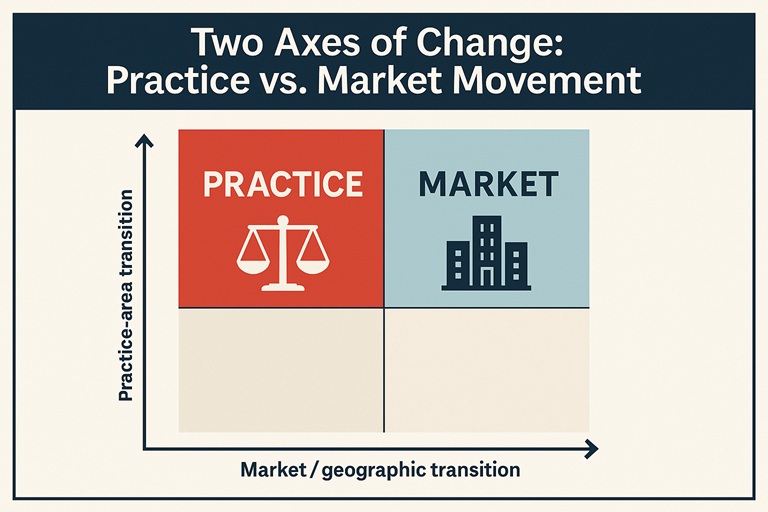
Lateral moves generally fall into two dimensions:
| Type | What Changes | Key Challenges |
|---|---|---|
| Practice-area transition | You shift from one specialty (e.g. litigation → corporate, IP → bankruptcy) to another | You must demonstrate credible skill transfer, market value, and learning agility |
| Market / geographic transition | You move to a different city, state, or region (for example, from Midwest to New York or California) | You face differences in competition, local networks, licensing, and billing rates |
Often, attorneys combine both—changing practice focus while also relocating. Those “diagonal moves” tend to be the hardest, but can yield significant rewards if well executed.
What Firms Look For in Laterals
When assessing lateral candidates, hiring firms typically evaluate these traits as part of a broader lateral transfers strategy for law firms.
- Depth & Traction of Client Relationships
- Specialized Expertise & Differentiation
- Market Reputation & Track Record
- Cultural Fit & Leadership Potential
- Compensable Skills & Transferability
- Transition Plan & Credibility
Timing Your Lateral Move Strategically

Timing can determine whether your transition succeeds or stalls. Key considerations:
- Avoid moving out of desperation; leverage wins for bargaining — knowing the right time to make a lateral move can help maximize leverage.
- Align with firm recruitment cycles, often late summer or early fall.
- Account for market conditions and potential conflicts.
Building Your Transition Playbook
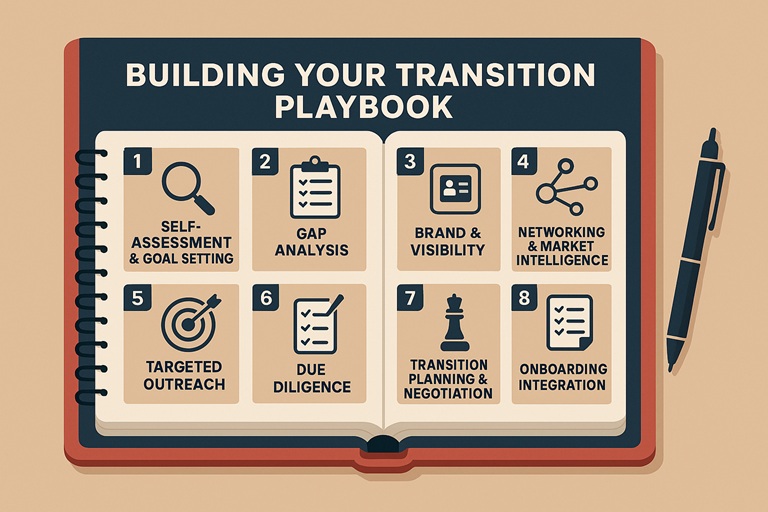
1. Self-assessment & Goal Setting
Clarify your motivations, strengths, and long-term career goals to guide your lateral move strategy.
2. Gap Analysis
Identify missing skills, experience, or credentials that could hinder your transition and plan to close those gaps.
3. Brand & Visibility
Refine your personal brand, update your résumé, LinkedIn profile, and establish a professional presence to stand out.
Build relationships and gather insights on firms, practice trends, and hiring cycles to inform your approach.
5. Targeted Outreach
Reach out to recruiters, mentors, and decision-makers at selected firms in a focused and personalized manner.
6. Due Diligence
Research firm culture, compensation structures, client base, and potential conflicts before committing.
7. Transition Planning & Negotiation
Strategically plan your exit and negotiate terms such as compensation, equity, or workload expectations.
8. Onboarding & Integration
Execute a smooth transition by aligning with the new team’s culture, clients, and performance goals early on.
Pitfalls That Sabotage Lateral Transitions
These pitfalls often mirror the common mistakes in lateral hiring that law firms themselves face.
- Overpromising and underdelivering
- Poor client transition arrangements
- Lack of clarity on compensation and equity structure
- Underestimating cultural friction
- Failing to build new relationships quickly
- Leaving without a safety net
When Practice Change Makes Sense (vs. When It Doesn’t)
Good idea if:
- Your current specialty is declining
- You have transferable skills
- You can leverage your reputation
- You’re passionate about a new area
Riskier if:
- You lack credibility or track record
- Making multiple simultaneous transitions
- Limited resources to manage a slow ramp-up
Key Takeaways for Attorneys Considering a Lateral Move
- Be clear on your motivation.
- Highlight what you bring, not just what you want.
- Plan stepwise: network, build brand, outreach, negotiate, integrate.
- Build contingency buffers.
- Lateral moves can accelerate careers more than internal promotions.
Conclusion
Lateral moves are more than just job changes—they are strategic career maneuvers that can significantly enhance your trajectory when executed thoughtfully. By understanding motivations, assessing risks, preparing a structured plan, and focusing on both market value and firm fit, attorneys can maximize opportunities and minimize pitfalls. Whether changing practice areas, relocating geographically, or both, a deliberate, informed approach ensures your lateral transition becomes a stepping stone to long-term career growth and professional fulfillment.
| Ready to take the next step in your legal career? Dive into our in-depth report: Attorney Lateral Movement: A Comprehensive Guide to Practice Area and Market Transitions. |

