We all know that words can be incredibly impactful. We have favorite quotes, we’ve been moved to tears by books, we’ve been moved to action by speeches. But do you ever think about the words that you use in your daily life? There may be words or phrases that you use without even thinking twice about. Those words are actually giving a negative impression of you. At the very least they are not making the impression that you want to make.
- Just. This word is what’s called a “protector” word, meaning it softens the statement that you’re making. For example, how many times have you written: “I just wanted to follow up…” at the beginning of an email? Remove the word “just” because what you’re saying is important. Don’t tiptoe around what you’re trying to accomplish.
- Sorry. We apologize way too often overall and use the word sorry in places where we didn’t do anything wrong. Unless you’ve actually hurt someone, don’t use sorry when explaining yourself or when circumstances are out of your control.
- I think. We all know that whatever you say is your opinion. When you start your thought with “I think,” it immediately makes others think you might be wrong or you’re unsure yourself or your own statement.
- Very (or other dramatic words). These extra drama words don’t really add anything to what you’re saying. When you overdramatize your sentences, people start to take your words less seriously. Use fewer words to communicate the same thing, making them more powerful.
- I’ll try. Using this phrase does not instill any confidence in your ability to get something done and can make people a little nervous, especially if you’re using this phrase when talking to your manager. Be confident in yourself and that’s how others will perceive you.
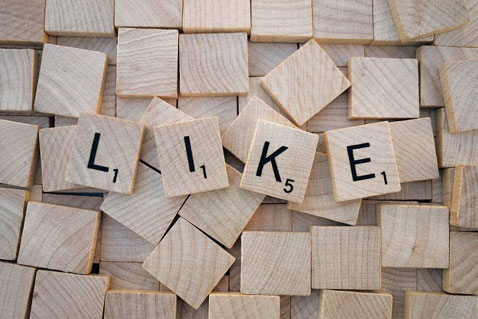
- Like or Um. While using the word “like” became particularly popular in the 80’s, it certainly isn’t doing us service. These types of filler words only diminish what you’re trying to say, so pause and collect your thoughts before moving forward.