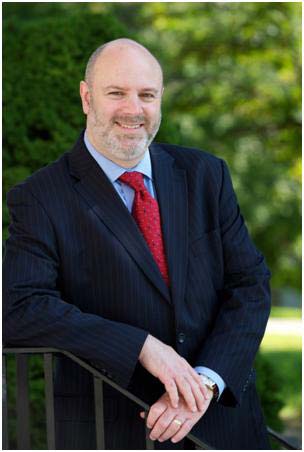
Solo practitioners enjoy various benefits that larger firm practitioners may lack, such as complete freedom over the cases they choose and the nature of their practice. That being said, there are some downsides to becoming a solo practitioner, including reduced staffing and a lower average salary as compared to larger firm practitioners. All in all, you should weigh your options and consider becoming a solo practitioner if it is the right fit for you.
1. Why did you decide to become a solo practitioner?
So I could be in control of my own practice, make my own decisions about what clients to accept, and what types of risks I wanted to take.
2. What is the best part of being a solo practitioner?
I love the direct, hands-on relationship with my clients. I want clients who value that when they hire me, they are being taken care of by a lawyer with 26 years of experience - no delegation to juniors. That model is not right for all clients, but it is right for my clients. And it is how I like to work.
3. What is the worst part of being a solo practitioner?
It is really hard for me to go away on vacation. I know that all lawyers in private practice check in with the office when they are away, but that ritual is magnified for a solo.
4. What advice would you give to others looking to become a solo practitioner?
Form strategic partnerships with other professionals, such as accountants and other lawyers. Even though you may be able to do your own tax returns, pay an accountant to do them. Your relationship with your accountant should develop into a referral relationship, and you are likely to have many tax and business issues arise in your client matters that you will be able to bounce off of your CPA. This latter point applies equally to lawyers with commercial, corporate, divorce, real estate, personal injury and estate planning practices, to name a few. The same applies for relationships with other professionals. Many lawyers are not great planners when it comes to business, strategy planning and marketing. Planning is a discipline, and an important executive level skill, the mastery of which will pay many dividends throughout your solo career. If you are coming from an environment where you have not had to do basic bookkeeping, or understand profit and loss statements, be prepared to learn those skills.
5. What is a typical day like for you as a solo practitioner?
Pretty much like any other lawyer (and I know because I have worked in a large firm), except instead of billing 8-10 hours on a typical day, I bill fewer hours and spend time on administration and practice development.
6. What additional advice would you give to others looking to become a solo practitioner?
Make a plan of actionable to dos for how you are going to generate business, and how you are going to get the work out the door at a high level of quality. Make a cash flow projection, and when you budget, put your personal/family income needs on the top line of the budget. Talk to many other solos in your community and elsewhere and find out what their experiences have been. Always feel free to call me, by the way. Don't be bashful about reaching out to colleagues, including colleagues at large firms, with legal and business questions, and be generous about sharing your expertise as well.
7. Is there anything else that is important to know about you and your practice, or that you would like to add?
I have made a good living in a niche practice in a fairly small market. I know people who make a good living as general practitioners, although I would argue that most of the general practitioners I know actually specialize in the everyday problems of families and small businesses. Figure out what your niche is - it is a bad marketing strategy to tell people you do everything. Your niche can be defined by practice area, type of client, geography, etc., but it is important to focus on that niche like a laser beam, be the best at that, and refer everything else out. For me, all of my success has come from relationships. Spend time building relationships with client, colleagues, other professionals, people in your community, and others. It is amazing what people will do for you if they know you, trust you, and you have done for them.