Parole Possibilities for Teen Murderers Serving Life without Parole

Most law firms avoid posting jobs on Indeed or LinkedIn due to high costs. Instead, they publish them on their own websites, bar association pages, and niche legal boards. LawCrossing finds these hidden jobs, giving you access to exclusive opportunities. Sign up now!

published June 26, 2012

By Author - LawCrossing

06/26/12

On Monday, the

U.S. Supreme Court

ruled that mandatory sentences of life in prison without the possibility of parole for people under the age of 18 years when they committed murder were unconstitutional. The ruling can affect more than 2,500 young prisoners in the country. In a narrow win, a 5-4 majority contended that the Constitution forbids such mandatory sentencing schemes for juvenile murderers.
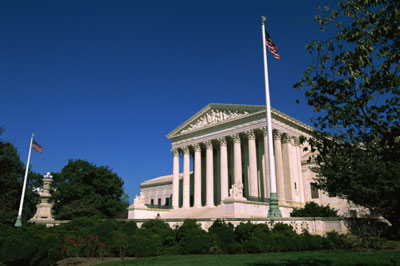
U.S. Supreme Court Rules On Teen Murderers
The high court found that life imprisonment without the possibility of parole was an unusually cruel punishment in the case of juvenile murderers and violated the Constitution. The decision does not indicate that the prisoners should be released, but that the ban on paroles for the juvenile murderers would be lifted.

While states and legislatures keep getting tougher with

juvenile offenders

and keep passing laws abolishing the chances of parole and using the regular criminal justice system for juvenile offenders, the Supreme Court declines to condone such cruelty. In 2010, the Supreme Court had already declared that

life without parole

for juveniles as unconstitutional except in the case of murder. Now, murder convicts also would be receiving chances of parole, if the high court ruling stays. In 2005, the Supreme Court also abolished death penalty for juveniles.

People who firmly oppose cruel and extremely harsh sentences for juveniles hold that juveniles have a greater chance to change as they commit their crimes largely due to emotional immaturity and poor knowledge of consequences. The chances of rehabilitation of juveniles are greater than that of adults, according to those who want less harsh sentences for juveniles.
United States

However, law enforcement authorities hold that life in prison without parole for juveniles who commit horrific murders are in line with national consensus.

Writing for the majority,

Justice Elena Kagan

held that the authority who sentenced juveniles to life imprisonment without the possibility of parole, in fact, mandated that each juvenile die in prison even if a judge or a jury would have thought a lesser sentence more appropriate. Justice Kagan wrote, “By requiring that all children convicted of homicide receive lifetime incarceration without possibility of parole, regardless of their age and age-related characteristics and the nature of their crimes, the mandatory sentencing schemes violate,” the constitution.

Justice Alito

said the ruling could help young murderers the chance to kill again after being released into society. He observed, “Even a 17-1/2 year-old who sets off a bomb in a crowded mall or guns down a dozen students and teachers is a 'child' and must be given a chance to persuade a judge to permit his release into society.”
Gain an advantage in your legal job search. LawCrossing uncovers hidden positions that firms post on their own websites and industry-specific job boards—jobs that never appear on Indeed or LinkedIn. Don't miss out. Sign up now!

( 1 vote, average: 4.8 out of 5)

What do you think about this article? Rate it using the stars above and let us know what you think in the comments below.

Related
