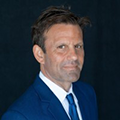
"There is a serious tension here, between the concepts of free speech, and open information, and the idea of privacy," said Kevin Bankston, staff attorney with the Electronic Frontier Foundation.
Mike Gianaris, a Queens' assemblyman, is also concerned because "Google Earth was allegedly used by terrorists planning to attack JFK Airport," states an article on www.nypost.com.
However, Google product manager Stephen Chau says in an article on www.time.com that Google "take[s] privacy very seriously. Street View only features imagery taken on public property and is not real time. This imagery is no different from what any person can readily capture or see walking down the street."
"Google's mission is to organize the world's information and to make it universally accessible and useful," added Chau.
Chau goes on to say how he personally benefited from Google Maps after moving to San Francisco. By zooming in on parking signs along the streets, Chau was able to dodge parking tickets in the morning.
But Gianaris and Bankston believe something must change.
Gianaris wrote to Google on June 5, 2007, asking Google "to blur detailed satellite images of skyscrapers, airports and other potential terror targets," states the article on www.nypost.com, while Bankston said on www.time.com, "Just by obscuring the faces of people, it would eliminate the privacy concerns of those attending an Alcoholic Anonymous meeting, leaving a reproductive health clinic, or attending a controversial political even."