From 4:30 to 10:00 a.m., the 83-year-old Barnes mans his post.
"The good Lord and I have been doing this for 30 years," he said.
When they see him, burly truck drivers honk hello. School kids in vans wave as they go past. Scooter riders slow down enough to give him a high-five hand slap. Most people merely smile. A few pretend not to notice him.
Johnny doesn't mind. He blows kisses to everyone, gestures with thumbs up or waves with both hands. "I love you all," he calls out.
"Making people happy and not looking for anything in return," Johnny said. "The island is so small, we need to take time (to enjoy it)."
If good things come in small packages, then Johnny Barnes' Bermuda is a treasure trove. This 21-square-mile British Crown Colony is made up of 181 named islands strung together in the shape of a fishhook. The widest point is only two miles. Contrary to many assumptions, it is not in the Caribbean, but located in the middle of the Atlantic Ocean, due east - 650 miles - from Cape Hatteras, N.C.
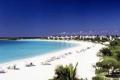
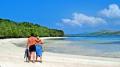
A pristine tropical landscape provides the setting for spotless small towns with houses in a rainbow of pastel hues amid a classy yet friendly atmosphere. You won't find McDonald's, neon lights, billboards or pesky panhandlers here. Even "back of the town" lower-income areas look as spiffy as their wealthier neighbors.
With some 400 shipwrecks from the 14th to the 20th centuries, Skin Diver magazine has named Bermuda the "wreck capital of the Atlantic." Among them is the Sea Venture (rediscovered in 1958), a British ship bound for Jamestown, Va., that sank during a storm in 1609. Adm. Sir George Somers, his crew and passengers all managed to reach land, setting the stage for the colonization of Bermuda.
To enchant 1920s tourists, St. George's narrow cobbled lanes were given whimsical names - Shinbone, Featherbed, Needle and Thread, One Gun Alley and Old Maid Lane. Meander on a self-guided tour to view St. Peter's Church, the Old Rectory, the Unfinished Church resembling a Gothic ruin, and Somers Gardens.
When cruise ships dock, April to October, St. George's (Tuesdays) and Hamilton's (Wednesdays) streets turn into a stage for music, food, crafts, street performers and sidewalk shopping. Shops close late during these lively nights.
Purchase a Heritage Pass for unlimited admission to eight island attractions over a seven-day period. They include the Bermuda Maritime Museum, Aquarium, Fort St. Catherine and National Trust properties. Several small museums and historic buildings require no admission, among them the Masterworks Foundation Gallery, Old Devonshire Church, Perot's Post Office and St. David's Lighthouse. And, plan to take the bus. Single-day passes cost $12; seven-day passes cost $45.
At West End, limestone buildings house restaurants, shops and working artisans in the Dockyard Glassworks and Bermuda Clayworks. Browse the Crafts Market for watercolors of local scenes, banana leaf dolls, jellies made from loquats, bananas, limes and natal palm, all grown on the island. During the War of 1812, the British fleet sailed from the Royal Naval Dockyard to attack Washington, D.C. Today the fortified keep houses the Maritime Museum. The lawn of the Commissioner's House provides a great view of parasailers in the sound and yacht races during international competitions.
Bermuda's most beguiling water play is swimming with dolphins. Dolphin Quest invites swimmers buoyed by life jackets to interact in the training of these whimsical aquatic mammals. They squeak, chatter and giggle just like kids. When they get excited from tossing a ball or swimming through a Hula-Hoop, their bellies blush pink. The ultimate goal for visitors is to plant a kiss on a dolphin's chin. For the dolphins, they prefer fish for a reward.
From tiny Smith Garden in St. George's to the islands' botanical gardens at Paget, the lush landscapes, parks and reserves welcome nature lovers. At the Bermuda Perfumery Gardens, trails wind past oleander, Easter lily, jasmine, and frangipani, all of which are used in scents for sale at the Calabash Gift Shop and elsewhere on the islands.
Bermuda's old Rattle and Shake Railway, which ceased operation in the 1940s, has been turned into a hiking, biking and horseback riding trail. Crisscrossing the main roads from one end of Bermuda to the other, the trail has tunnels, bridges and scenic overlooks, plus the Railway Museum at Flats is free.
To bond with the Bermudians and experience island culture, join in their celebrations. The Peppercorn Ceremony in April marks the payment of one peppercorn to the mayor of St. George for the rental of the statehouse by the Masonic Lodge. Regimental soldiers in dress uniform troop into Kings' Square for the ceremonial exchange. On Good Friday, Bermudians fly handmade kites fitted with hummers from Horseshoe Beach.
"They'll have the kite in one hand," said events planner Simone Barton, "and codfish cakes in the other. It's one of Bermuda's best holidays. It's just family, hot cross buns, fish cakes and fun."
After all, Bermuda has been called the place to hurry up and slow down.
IF YOU GO
For information on activities, lodging, packages and sightseeing call 800-BERMUDA or visit www.bermudatourism.com or www.experience-bermuda.com.
A valid passport is the preferred ID.
Accommodations range from B&Bs at $85-$200 per person, double occupancy; cottages and apartments starting at $85 per unit; to small hotels and resorts such as Elbow Beach in Paget Parish at $248 per person, double occupancy. The Fairmont Hamilton Princess in Hamilton is $212 per person, double occupancy; the Fairmont Southampton in Southampton parish runs $232 per person, double occupancy.
The weather averages 70 degrees in the winter, but during seasonal changes mid-November to mid-December and late March to April it can be like spring or summer.
© Copley News Service