| Summary |
This article explores the importance of networking for law students and provides practical strategies to connect with attorneys and firms. From attending events to leveraging LinkedIn, students can develop relationships that open career opportunities, internships, and mentorships. By avoiding common mistakes and focusing on long-term growth, networking becomes a cornerstone of legal career success.
| Questions Answered in This Article |
- What is the importance of networking for law students?
Networking helps law students gain mentorship, career guidance, and access to internships and job opportunities.
- How can law students connect with attorneys?
Students can connect by attending networking events, joining bar associations, reaching out via LinkedIn, and participating in law school activities where attorneys are involved.
- What are some mistakes law students make in networking?
Common mistakes include being too transactional, not following up with contacts, and neglecting to prepare thoughtful questions.
- How can law students build authentic relationships with firms?
By attending firm events, showing interest in firm culture, and maintaining professionalism, students can form meaningful connections with firms.
- What are the long-term benefits of networking for law students?
Networking builds a strong professional reputation, opens access to job referrals, and creates a lasting support system in the legal profession.
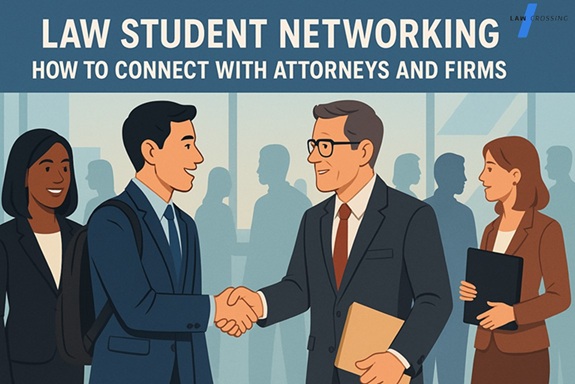
For law students, building a strong professional network is just as important as excelling academically. While good grades and internships showcase your abilities, networking helps open doors to internships, clerkships, and full-time job offers. By connecting with attorneys and law firms early in your career, you gain valuable insight into the legal profession, develop relationships that can lead to opportunities, and position yourself for long-term career success — especially when you follow guidance on how to network in law school without feeling fake or desperate.
See Related Articles:
Why Networking Matters for Law Students
In today’s competitive legal job market, networking is not just an optional skill—it is a critical career-building strategy. While academic success and internships provide a strong foundation, personal connections often determine whether law students secure coveted opportunities such as clerkships, internships, or full-time roles. Networking enables students to build visibility, credibility, and long-term professional relationships that extend beyond law school.
Key Reasons Networking Matters
- Access to Hidden Job Opportunities – Access to Hidden Job Opportunities – Many law firm and attorney positions are never publicly posted; they are filled through referrals, which is why resources like how to find a job as a law student can complement your networking efforts.
- Early Exposure to Practice Areas – Conversations with attorneys give students insight into areas like litigation, corporate law, or public interest.
- Career Guidance – Attorneys can offer candid advice on career paths, firm culture, and practice realities.
- Skill Development – Networking sharpens soft skills such as communication, professionalism, and relationship-building.
- Long-Term Mentorship – Connections often evolve into mentor-mentee relationships that guide career decisions well after graduation.
Academic vs. Networking Advantages
| Area of Growth | Role of Academics | Role of Networking |
|---|---|---|
| Career Opportunities | Grades and achievements open initial doors | Referrals and recommendations secure offers |
| Knowledge | Provides legal theory and technical skills | Offers real-world insight into practice areas |
| Professional Visibility | Strong resume and transcripts | Reputation built through relationships |
| Guidance | Professors provide academic support | Attorneys and alumni provide career guidance |
Long-Term Benefits
- Enhanced Reputation – Building a name early in law school can influence career longevity.
- Confidence and Preparedness – Networking prepares students for interviews and professional interactions.
- Sustainable Career Growth – A strong network supports transitions across different practice areas or firms.
- Community Support – Networking creates a safety net of peers and mentors who share opportunities.
Networking is not just about finding a job—it’s about building a sustainable career path in law. The relationships students form in law school often evolve into partnerships, mentorships, and job opportunities years down the line.
Effective Networking Strategies
Networking is most powerful when approached with intention and consistency. For law students, it’s not enough to just attend events—you need to be strategic, prepared, and proactive in maintaining connections, much like the tips shared in legal networking like a pro in law school. By combining traditional methods with digital tools, students can create a balanced and effective networking plan.
1. Attend Career Fairs and On-Campus Events
- Meet recruiters and practicing attorneys directly.
- Ask questions about firm culture, practice areas, and recruitment timelines.
- Prepare a short introduction or “elevator pitch” about yourself.
- Follow up after the event to reinforce your interest.
2. Join Student and Bar Associations
- Become active in student organizations like moot court, law review, or affinity groups.
- Attend local and state bar association mixers or continuing legal education (CLE) sessions.
- Volunteer at events to increase visibility with practicing attorneys.
- Gain leadership experience that demonstrates initiative.
3. Leverage LinkedIn and Online Platforms
- Create a professional profile with your academic achievements and interests.
- Connect with alumni and attorneys in your preferred practice areas.
- Share articles, insights, or law-related updates to build visibility.
- Reach out with personalized messages instead of generic connection requests.
4. Participate in Pro Bono Projects and Clinics
- Work alongside attorneys who supervise pro bono or clinic cases.
- Gain hands-on legal experience while expanding your network.
- Show dedication to service and community impact—qualities firms value.
- Build long-term relationships with supervising lawyers.
- Request 15–20 minute calls or meetings with attorneys in your area of interest.
- Prepare thoughtful questions about their career path, challenges, and practice area trends.
- Respect their time—be punctual and concise.
- Follow up with a thank-you note and periodic updates.
Comparison of Networking Strategies
| Strategy | Primary Benefit | Best Practice |
|---|---|---|
| Career Fairs & Events | Direct access to recruiters and attorneys | Prepare an elevator pitch and ask questions |
| Student & Bar Associations | Community engagement and leadership roles | Volunteer and attend regularly |
| LinkedIn & Online Platforms | Professional visibility and alumni outreach | Share insights and send personalized messages |
| Pro Bono & Clinics | Hands-on experience and attorney supervision | Treat projects as both learning and networking |
| Informational Interviews | Targeted career guidance and mentorship | Keep meetings short and follow up consistently |
Effective networking isn’t about quantity—it’s about quality relationships. By combining in-person events, online platforms, and authentic conversations, law students can create a professional network that will support their careers long after graduation.
Building Relationships with Attorneys
Networking doesn’t end after the first handshake or LinkedIn connection—it’s about cultivating meaningful, long-term relationships. Attorneys, whether in firms, government, or public interest organizations, can provide mentorship, referrals, and guidance that extend beyond law school. Law students who take the time to build authentic connections often stand out during recruiting and gain access to career opportunities they may not otherwise find.
1. Show Genuine Interest
- Ask about the attorney’s career path and practice area.
- Avoid only talking about job opportunities—focus on learning from their experience.
- Listen actively and take note of advice shared.
- Express gratitude for their time and insights.
2. Maintain Regular Communication
- Send a thank-you note or follow-up email after an initial meeting.
- Share relevant articles, updates, or milestones to keep the relationship active.
- Reach out periodically, not only when you need help.
- Stay professional and respectful of their time.
3. Provide Value in Return
Even as a student, you can contribute value to the relationship:
- Share insights from a class, article, or legal development relevant to their practice.
- Offer to assist in small ways, such as research or volunteering for projects.
- Connect them with other professionals, students, or resources when appropriate.
4. Be Consistent and Professional
- Dress appropriately for meetings or events.
- Be punctual and prepared when engaging with attorneys.
- Keep your communications clear, concise, and polished.
- Avoid informal or overly casual interactions unless the attorney sets that tone.
Do’s and Don’ts of Building Relationships with Attorneys
| Do’s | Don’ts |
|---|---|
| Ask thoughtful questions about their career | Immediately ask for a job or internship |
| Follow up with gratitude and professionalism | Flood them with frequent emails or messages |
| Offer value by sharing relevant insights | Treat networking as a one-way transactional act |
| Stay consistent in communication | Reach out only when you need a favor |
| Respect their time and boundaries | Assume they have unlimited time to meet/talk |
5. Seek Mentorship Opportunities
- Some attorneys may naturally evolve into mentors.
- Express interest in staying in touch long-term.
- Be open about your career goals while remaining flexible to their guidance.
- Recognize that mentorship is built on trust and respect, not obligation.
Building strong relationships with attorneys is about mutual respect, authenticity, and consistency. Law students who invest time in creating meaningful connections demonstrate maturity, professionalism, and long-term career vision—traits highly valued in the legal profession.
Networking with Firms
Networking with law firms is different from connecting with individual attorneys—it requires a strategic, structured approach that demonstrates professionalism, research, and long-term interest. Firms look for candidates who not only excel academically but also show they understand the culture, values, and practice strengths of the firm.
For law students, successful firm networking means standing out as someone who is prepared, engaged, and genuinely interested in contributing to the organization’s success.
1. Research the Firm in Advance
Before any interaction with firm representatives, do your homework:
- Review the firm’s practice areas and notable cases.
- Learn about the firm’s culture, diversity initiatives, and community involvement.
- Look into the firm’s recent news, press releases, or awards.
- Familiarize yourself with attorneys at the firm who share your law school background.
2. Engage Through Firm-Sponsored Events
Firms often host events to connect with students:
- Information sessions: Ask thoughtful questions about practice groups.
- Panel discussions: Listen carefully to attorney insights and follow up afterward.
- Networking receptions: Practice your elevator pitch and engage multiple attorneys.
- Workshops or mock interviews: Showcase professionalism and eagerness to learn.
3. Demonstrate Genuine Interest
Instead of asking general questions, be specific:
- Mention a case or deal the firm recently handled.
- Ask about the firm’s training and mentorship programs.
- Inquire about opportunities for pro bono work and community impact.
- Show curiosity about the attorney’s personal experience at the firm.
- Send personalized thank-you emails after events or meetings.
- Reference a detail from the conversation to stand out.
- Keep connections warm by checking in periodically (e.g., sharing an article relevant to their practice).
- Avoid generic or mass emails—make every message individualized.
Do’s and Don’ts of Networking with Firms
| Do’s | Don’ts |
|---|---|
| Research the firm before engaging | Approach firm events without preparation |
| Ask specific, informed questions | Ask only about salary or job offers |
| Show enthusiasm for the firm’s culture and values | Appear disinterested or distracted during events |
| Follow up with tailored thank-you notes | Send generic or copy-paste follow-up messages |
| Build relationships over time | Expect instant offers from a single interaction |
5. Leverage Law School and Alumni Connections
- Use your law school’s career services to connect with alumni at firms.
- Ask alumni about their path to the firm and advice for success.
- Seek informational interviews to learn more before applying.
- Stay active in law school organizations that firms support or sponsor.
Networking with firms is about being intentional, informed, and professional. Law students who treat firm representatives with respect and approach networking as relationship-building—rather than a quick path to a job—set themselves apart in the competitive recruiting process.
Common Networking Mistakes to Avoid
While networking is one of the most powerful tools for law students, many miss opportunities by making avoidable mistakes. Understanding these pitfalls can help students refine their approach, build stronger professional relationships, and stand out for the right reasons.
1. Lack of Preparation
Going into a networking event or meeting without research can leave a poor impression.
- Not knowing the firm or attorney’s background.
- Asking generic questions anyone could Google.
- Failing to prepare an elevator pitch about your interests and career goals.
2. Overly Aggressive Job-Seeking
Networking should focus on building relationships—not immediately asking for jobs.
- Directly asking, “Are you hiring?” in the first conversation.
- Pressuring attorneys for referrals or recommendations.
- Focusing only on what you want, not on learning from the other person.
3. Neglecting to Listen
Networking is a two-way exchange.
- Talking too much about yourself.
- Interrupting or failing to show genuine interest in the attorney’s perspective.
- Not following up on details they share.
4. Failing to Follow Up
Even strong connections fade without proper follow-up.
- Not sending a thank-you email after an event or meeting.
- Losing contact after the first interaction.
- Forgetting to update mentors or contacts on your progress.
5. Over-Reliance on One Contact
Relying too heavily on one person can limit opportunities.
- Expecting a single attorney to open all doors.
- Neglecting to diversify your network across firms, practice areas, and alumni.
- Missing the chance to learn from a variety of perspectives.
Networking Mistakes at a Glance
| Mistake | Impact | Better Approach |
|---|---|---|
| Lack of preparation | Appears unprofessional, disengaged | Research firm/attorney and prepare questions |
| Aggressive job-seeking | Pushes people away, creates discomfort | Focus on building genuine relationships |
| Not listening | Misses insights, weakens rapport | Practice active listening |
| No follow-up | Connection fades quickly | Send thank-you notes and stay in touch |
| Relying on one contact | Limits opportunities and perspectives | Diversify networking with multiple contacts |
Avoiding these mistakes ensures that law students leave a lasting, positive impression. Networking is not about short-term gains—it’s about building authentic, long-term professional relationships that can support a successful legal career.
Long-Term Benefits of Networking
Networking is not just about landing your first internship or summer associate role—it’s about cultivating relationships that can sustain and propel your legal career for decades. When law students invest in networking early, they build a professional foundation that yields opportunities long after graduation.
1. Career Advancement Opportunities
Strong professional connections often lead to new roles, promotions, or lateral moves.
- Gaining insider knowledge of job openings before they’re public.
- Receiving recommendations from respected attorneys.
- Being considered for leadership roles because of visibility in the legal community.
2. Mentorship and Guidance Throughout Your Career
Relationships built during law school can evolve into lifelong mentorship.
- Alumni connections who guide career transitions.
- Former supervisors offering advice on practice area changes.
- Long-term mentors helping with career strategy, work-life balance, and firm politics.
3. Business Development and Client Referrals
As lawyers grow, networking plays a direct role in generating business.
- Fellow alumni or former colleagues may refer clients.
- Building cross-practice collaborations with peers.
- Expanding influence through bar associations and community events.
4. Reputation and Thought Leadership
Networking helps lawyers build their professional brand over time.
- Invitations to speak at panels or legal conferences.
- Opportunities to publish articles in respected journals or blogs.
- Recognition as a thought leader in a niche practice area.
5. Personal and Professional Support System
Beyond jobs and clients, networking creates a supportive legal community.
- Sharing career challenges with trusted peers.
- Finding accountability partners for goals.
- Building friendships that make demanding legal careers more manageable.
Long-Term Networking Benefits at a Glance
| Benefit | Impact on Career | Example |
|---|---|---|
| Career advancement | Access to hidden job opportunities, promotions | A referral from a mentor leads to a clerkship |
| Mentorship & guidance | Lifelong professional advice | Alumni mentor helps with career transition |
| Business development | New clients and cross-referrals | Classmate refers corporate clients to litigator |
| Reputation & thought leadership | Recognition in legal circles | Speaking at conferences, publishing articles |
| Personal/professional support | Encouragement, accountability, friendships | Networking group provides career support |
Networking in law school is not just a short-term strategy—it’s the foundation for sustainable career growth, client development, and professional visibility. The earlier law students begin building authentic relationships, the more long-term benefits they will reap throughout their careers.
See Related Articles:
Conclusion
For law students, networking is one of the most powerful tools for career advancement. By connecting with attorneys and firms through events, mentorships, and professional organizations, you gain valuable insights and open doors to opportunities that shape your future in law. With the right strategies and authentic relationship-building, networking can turn initial introductions into long-lasting career success.

